Conjunctivitis in Mumbai: Expert Insights to Protect Your Eyes
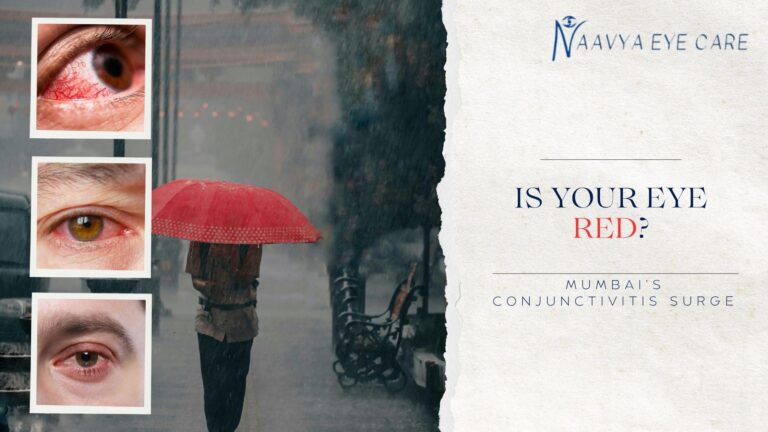
Mumbai conjunctivitis outbreak: Top ophthalmologist shares 5 urgent protection steps. Learn hygiene rules, symptom red flags & monsoon eye care. Expert guide.
Types of Glaucoma and Their Risk Factors: What You Need to Know to Protect Your Vision

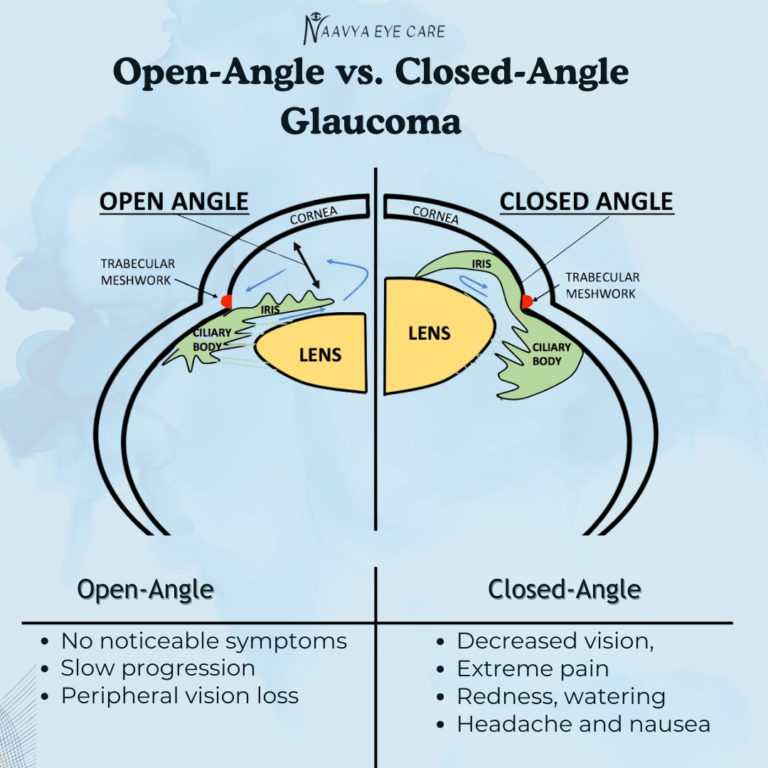
Glaucoma is a leading cause of irreversible blindness, but with early detection and knowledge of its risk factors, vision loss can often be prevented. This guide explores the two main types—angle-closure and open-angle glaucoma—and details specific risk factors, including age, family history, health conditions, and more.
Glaucoma: Understanding the “Silent Vision Killer” and Why Early Detection Is Key

Glaucoma, often called the “silent vision killer,” is a progressive eye disease that damages the optic nerve, leading to irreversible vision loss if untreated. With early detection and treatment, it’s possible to slow its progression. This guide explains what glaucoma is, why it’s dangerous, and how regular eye exams can protect your vision for years to come
Understanding Cataracts: Will They Go Away on Their Own and What to Expect During Surgery?

Cataracts won’t go away on their own, but modern cataract surgery is quick, painless, and effective. Learn why cataracts form, how they affect your vision, and what to expect during surgery. This guide covers everything you need to know to make informed decisions about your eye health.
I Have Been Diagnosed With Cataracts. Now What?

Cataracts got you worried? Don’t panic! This guide answers key questions & empowers you to navigate your diagnosis with confidence. From treatment options to surgery considerations, get informed decisions on YOUR vision journey.
Advancements in Pediatric Eye Care: Protecting Your Child’s Vision from an Early Age

Imagine a world without colors, shapes, or the joy of reading a beloved storybook. Our vision is a precious gift, especially for children, who rely on it to explore and learn about the world around them. As parents and caregivers, it is our responsibility to ensure that their eyes are healthy and their vision is optimized from an early age. In this blog, we will shed light on the importance of early eye care for children, delve into common pediatric eye conditions such as amblyopia (lazy eye) and strabismus (crossed eyes), and explore the remarkable advancements in diagnostic techniques and treatment options available today. Did you know that your child’s vision plays a crucial role in their overall development and academic success? By understanding the significance of early eye care and being aware of common pediatric eye conditions, we can take proactive steps to protect our children’s vision and help them thrive. The Importance of Early Eye Care: Many eye conditions in children can go unnoticed without regular eye examinations. Early detection is key to successful treatment and preventing long-term visual impairment. The American Academy of Ophthalmology recommends that children undergo their first comprehensive eye examination between the ages of 6 and 12 months, followed by regular check-ups at specific intervals throughout their childhood. Common Pediatric Eye Conditions: 1. Amblyopia (Lazy Eye): Amblyopia is a condition in which one eye develops better vision than the other. It can occur due to a variety of factors, such as crossed eyes, unequal refractive errors (prescription differences), or a significant difference in visual input between the two eyes. If left untreated, amblyopia can lead to permanent vision loss in the weaker eye. Early detection and intervention, usually through patching or blurring the stronger eye, can help restore proper vision. 2. Strabismus (Crossed Eyes): Strabismus refers to the misalignment of the eyes, causing one or both eyes to turn inward, outward, upward, or downward. This condition affects the coordination of eye movements and can result in double vision or poor depth perception. Treatment options for strabismus include eyeglasses, eye exercises, and in some cases, surgery to realign the eyes. Modern Diagnostic Techniques: Advancements in technology have revolutionized the field of pediatric eye care, making diagnosis more accurate and efficient than ever before. Here are some modern diagnostic techniques used in assessing children’s eye health: 1. Retinoscopy: This non-invasive technique helps determine a child’s refractive error by shining a light into their eyes and observing the reflection. It allows ophthalmologists to measure the eye’s focusing ability, guiding the prescription for corrective lenses if needed. 2. Pediatric Vision Screening: Various screening tools, such as photo screening devices and visual acuity tests, have been developed to detect potential vision problems in young children who may not be able to communicate their visual difficulties effectively. Components of a Pediatric Eye Exam As a concerned parent, you may find yourself wondering what to expect during your child’s eye exam. Rest assured, a comprehensive pediatric eye examination involves several important tests that provide valuable insights into your child’s visual health and development. Let’s explore some of the common and informative tests typically conducted during a pediatric eye exam: Visual Acuity Test: The visual acuity test serves as a fundamental assessment of your child’s visual sharpness. It involves the utilization of a projected eye chart to measure distance visual acuity, as well as a handheld acuity chart to evaluate near vision at a standardized reading distance. By accurately measuring visual acuity, the ophthalmologist can gauge the clarity of your child’s vision. Cover Test: The cover test is a straightforward examination technique that allows the pediatric ophthalmologist to assess how well your child’s eyes function together. During this test, your child will be asked to focus on a small object placed across the room, while the ophthalmologist alternately covers each eye. The test is then repeated with a nearby object at a shorter distance. By observing how the uncovered eye moves to fixate on the target, the ophthalmologist can detect conditions such as strabismus (misalignment of the eyes) or subtle binocular vision problems that could lead to eye strain or amblyopia, commonly known as “lazy eye.” Amblyopia, often manifested in childhood, can vary in causes and risk factors for each child. Signs of amblyopia may include squinting, shutting one eye, head tilting, or difficulties in perceiving depth. Early diagnosis and treatment before the age of seven offer the best opportunity for complete resolution. That’s why it is crucial to have your child undergo vision tests before they enter school-age, ensuring any issues are addressed promptly. Eye Movement Test: The evaluation of eye movements, known as Ocular Motility Testing, assesses the ability of your child’s eyes to follow a moving object smoothly and accurately shift focus between two separate objects. Problems with eye movements can lead to blurred vision, eye strain, headaches, and related complications. To examine smooth eye movements, the pediatric ophthalmologist will ask your child to hold their head steady while tracking the slow movement of a handheld light or another object solely with their eyes. Additionally, your child may be requested to shift their gaze back and forth between two targets positioned at varying distances, allowing the ophthalmologist to evaluate rapid eye movements. By conducting these tests and utilizing their expertise, pediatric ophthalmologists can obtain a comprehensive understanding of your child’s visual health, identify any potential concerns, and develop appropriate treatment plans if necessary. Treatment Options: 1. Glasses: Prescription eyeglasses are a common and effective solution for correcting refractive errors, such as nearsightedness, farsightedness, and astigmatism. Modern eyeglasses are available in various styles and designs to suit children’s preferences and needs. 2. Vision Therapy: Vision therapy comprises a series of specialized exercises and activities aimed at improving visual skills, such as eye tracking, focusing, and depth perception. It is often used as a non-surgical approach to treat conditions like amblyopia and strabismus. 3. Surgical Interventions: In cases where nonsurgical methods are insufficient, surgical options may be considered to correct
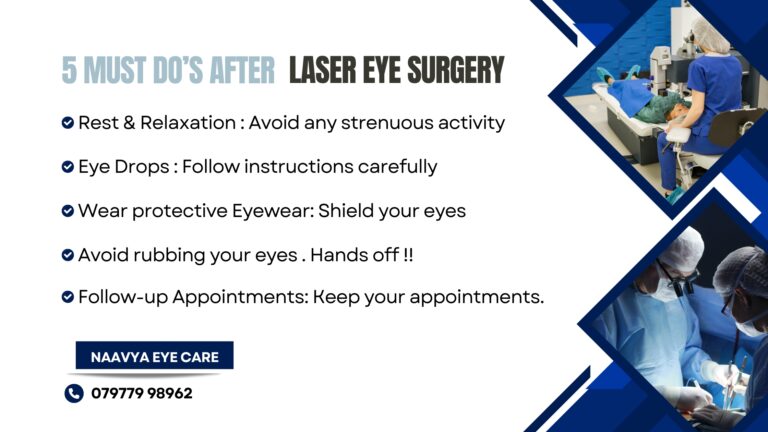
Ready for a successful recovery after laser eye surgery? Follow these simple steps to take proper care of your eyes and ensure a smooth healing process!

Congratulations on your laser eye surgery! Now that you’ve had this procedure done, it’s important to take proper care of your eyes in order to ensure a smooth and successful recovery. Here are some things you need to do after laser eye surgery: By following these steps, you can help ensure a smooth and successful recovery from laser eye surgery. Remember to take care of your eyes, rest and relax, and follow your doctor’s instructions carefully. #lasikeyesurgery #recoverytips #eyecare #restandrecovery #eyedrops #inflammationprevention #protectyoureyes #sunglasses #goggles #avoidrubbingeyes #reduceirritation #followupappointments #healingprocess #postopsuccess #doctorsinstructions #besteyespecialist #mumbai #glaucomaspecialist #drchandnikotak #besteyedoctormumbai #Naavyaeyecare Dr. Chandni KotakDNB, FAICO, MNAMS, MBBSNaavya Eye CareSimla House, E block, G – 74, Nepeansea Road, Malabar Hill, Mumbai, Maharashtra, 40003607977998962 Apollo Spectra,156 – Famous Cine Labs, Tardeo, Mumbai, Maharashtra 40003407977998962
GOOD PRACTICES FOR SAFE NIGHT DRIVING

Why is it more important The days are shorter in winter, so we inevitably end up driving at night a little more. Any of us who don’t have perfect eyesight can find this a stressful adjustment to make each year, and it can be a dangerous one if we’re not taking the dangers of night driving into careful consideration. What Causes Night Driving Problems Lights at night time come from all directions – headlights, traffic lights, street lamps, and they can cause a reflection and glare on your glasses. This will disturb your eyes, creating discomfort and lowering your ability to see in focus. You will find it more difficult to spot hazards such as junctions or bends and to see more vulnerable road users such as pedestrians, cyclists and motorcyclists.Additionally, as we grow older, our eyes take longer to react to changes in light and we can have difficulty with colours and contrasts in low light. According to the Royal Society for the Prevention of Accidents between the ages of 15 and 65, the time it takes to recover from glare increases from 1 to 9 seconds.Also As we get older, our night vision tends to worsen. The reason for this is that we gradually lose some of the rods in our eyes (the specialized light-detecting cells that distinguish between light and dark). Along with other age-related eye problems, the lenses in our eyes also grow stiffer and cloudier over the decades, making it harder to focus while increasing our sensitivity to glare. The end result is greater difficulties with driving at night. Conditions That Cause Difficulty in Seeing Well at Night Below are some of the conditions that can affect your vision and your driving at night: Nyctalopia – Also called night blindness, this condition does not necessarily mean that you are totally blind at night. But it may give you a harder time seeing when there is low light. Glaucoma – This condition reduces peripheral vision, so it can also make it harder for you to see at night. It occurs when there is fluid buildup in the eye that causes damage to the optic nerve. This is also known as silent thief of sight. Cataracts – These cause the lens of your eye to be cloudy. The condition can make it harder to see both during the day and night. Myopia – Also known as nearsightedness, this condition makes it difficult to see things that are far away as well as those in low-light conditions. Vitamin A deficiency – This condition can cause night blindness. But if diagnosed early, the symptoms can be reversed. Retinitis pigmentosa – This is a genetic disorder that causes the cells in the retina to degrade. It reduces night vision and peripheral vision. BELOW ARE SOME OF THE Good Practices for Safe Night Driving Avoid looking directly at the headlights of oncoming traffic. When oncoming traffic approaches, look down and to the right. Use the white line on the right side of the road for tracking your lane instead of the left side. This will allow you to see other vehicles in your peripheral vision without being bothered by glare.If an oncoming vehicle’s headlights seem too bright, or if the driver does not dim his or her high beams, ease off the gas, try not to look directly at the car’s lights and maintain your position in your travel lane by monitoring the lane marker or fog line until the offending vehicle passes. Prepare Your Car Keeping your car in good shape overall is important no matter what time of day you’re driving. At night, it’s important to keep these points in mind: Turn off all interior lights and dim your dashboard. Any source of light inside the car will make it more difficult to see outside. Clean the windshield, as well as all other windows, to eliminate streaks. Dirt, streaks or fog on the windshield can cause glare and reduce your visibility. Check your windshield wipers regularly, and replace them as necessary. Thoroughly clean headlights, taillights, and signal lights. Take Your Time Allow your eyes a chance to adjust to the darkness before you start driving. It takes a few minutes for the pupils to fully dilate, allowing for maximum light to enter the eye. The more light enters the the pupil of the eye, the better your vision will be. The Importance of Regular Eye Checkups It is highly recommended to visit your doctor for an eye exam every year. But if you have an eye condition that needs to be monitored or if you are experiencing trouble with your eyes or vision, your doctor may need to see you more frequently. If you are unsure, it’s best to talk to your eye specialist so that you can get personalized recommendations. Patients who have recently had laser refractive surgery can experience glare and halos for some time after the surgery. Remove Cataracts Cataracts develop gradually and usually start to affect your vision around age 60. When you have both cataracts and astigmatism, it doubles your trouble driving at night.Cataract surgery removes cloudy lenses, replacing them with clear, artificial ones. This procedure improves your overall vision, including at night. Talk to your ophthalmologist if you have cataract symptoms such as: Blurry vision. Light sensitivity. Poor night vision. Don’t forget to blink Sometimes increased concentration while driving can cause you to reduce your blink rate, which could then lead to or exacerbate dry eye symptoms. Aim dashboard air vents away from the face and eyes to avoid excessive drying of the eyes. Invest in anti-glare night driving lenses for your glasses. These no-glare lenses will make your lenses more clear, allowing you to drive more comfortably at night. Some may also have an anti-reflective coating. Stay Alert and Well-Rested Signs that you’re getting tired and may be at risk of falling asleep include: Yawning or blinking frequently Difficulty remembering the past few miles driven Missing your exit Drifting from your
Why You Should Get Your Child’s Eyes Check-Up Immediately In This PANDEMIC

As the COVID pandemic continues and homeschooling has become a reality in every household, one of the things, that is missing is an Ophthalmic evaluation for our children.
As parents, we don’t realise, but in these days of online schooling, an important parameter to check our children’s eyes has been missing.